Overview
The 2 Days Tour from Casablanca to Marrakech is a journey that embodies the essence of Morocco, blending the modernity of Casablanca with the ancient allure of Marrakech. This tour is tailored for travelers seeking a concise yet immersive experience, allowing them to delve into the country’s rich cultural tapestry, historical landmarks, and breathtaking landscapes. As you leave the bustling streets of Casablanca behind, the landscape transforms, unveiling the rolling hills, verdant valleys, and eventually, the majestic Atlas Mountains. This route is special because it offers a unique blend of urban excitement and rural tranquility, making it ideal for those looking to experience the diversity of Morocco without dedicating too much time. The tour is perfect for first-time visitors to Morocco, as it provides a comprehensive introduction to the country’s vibrant culture, stunning natural beauty, and warm hospitality.
The journey from Casablanca to Marrakech is not just about the destination; it’s about the experiences you accumulate along the way. From the moment you depart, you’re immersed in a world of vibrant colors, enticing aromas, and the sounds of a bustling nation. The tour takes you through the picturesque town of Settat, known for its historical significance and natural beauty, and then to Ben Guerir, a strategic stop before reaching the majestic city of Marrakech. Each stop on this tour has been carefully selected to provide a deep and meaningful connection with the local culture, history, and people.
Morocco is a country that proudly wears its heart on its sleeve, with each city and town offering a unique glimpse into its rich heritage. The 2 Days Tour from Casablanca to Marrakech is designed to give you a taste of this heritage, from the modern skyscrapers of Casablanca to the ancient walls of Marrakech. Whether you’re a history buff, a foodie, an adventure seeker, or simply someone looking to experience something new, this tour has something for everyone. The blend of urban and rural landscapes, coupled with the warm Moroccan hospitality, makes this tour an unforgettable experience.
As you travel through Morocco, you’ll notice the seamless blend of traditional and modern elements, reflecting the country’s ability to embrace change while preserving its heritage. This tour allows you to witness this blend firsthand, from the contemporary architecture of Casablanca to the timeless beauty of Marrakech’s old medina. Each day of the tour is carefully crafted to provide a balance of exploration, relaxation, and cultural immersion, ensuring that your journey is not only memorable but also deeply enriching.
The 2 Days Tour from Casablanca to Marrakech is a journey that will leave you with lifelong memories of Morocco’s stunning landscapes, vibrant culture, and the warmth of its people. With its carefully curated itinerary, this tour offers the perfect introduction to Morocco, promising an experience that is both authentic and unforgettable. Whether you’re traveling solo, with friends, or with family, this tour is designed to cater to all, providing a safe, enjoyable, and enriching experience for everyone involved.
Highlights
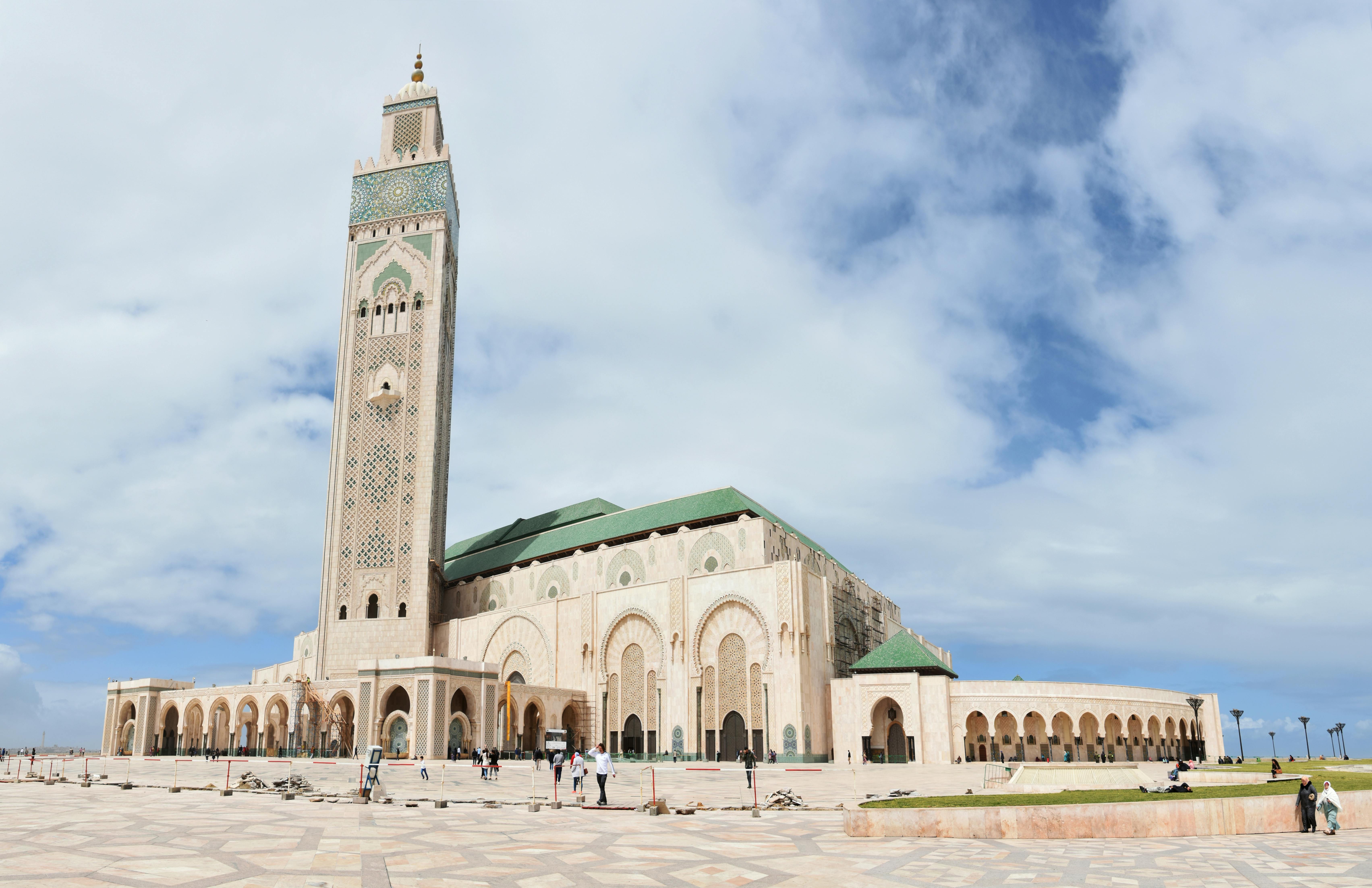
- Explore the vibrant city of Casablanca, including the iconic Hassan II Mosque.
- Journey through the picturesque town of Settat, known for its historical significance.
- Visit the strategic town of Ben Guerir before reaching Marrakech.
- Experience the breathtaking beauty of the Atlas Mountains.
- Wander through the bustling souks of Marrakech’s old medina.
- Visit the majestic Bahia Palace, a masterpiece of Moroccan architecture.
- Explore the vibrant Jemaa el-Fnaa square, a UNESCO World Heritage Site.
- Discover the serene beauty of the Majorelle Garden.
- Enjoy a traditional Moroccan dinner in a local riad.
Day by Day Itinerary
Day 1: Casablanca to Marrakech via Settat and Ben Guerir
The journey begins in Casablanca, where you’ll depart early in the morning, heading towards the picturesque town of Settat. This strategic stop allows you to break the journey and enjoy the natural beauty of the surrounding countryside. After a leisurely lunch, you’ll continue towards Ben Guerir, a town that serves as a gateway to Marrakech. The drive takes you through the rolling hills and eventually, the foothills of the Atlas Mountains, offering breathtaking views of the Moroccan countryside. As the sun begins to set, you’ll arrive in Marrakech, where you’ll have the opportunity to explore the vibrant Jemaa el-Fnaa square before enjoying a traditional Moroccan dinner in a local riad.
Day 2: Exploring Marrakech
The second day of the tour is dedicated to exploring the majestic city of Marrakech. You’ll start the day with a visit to the Bahia Palace, a masterpiece of Moroccan architecture that showcases the country’s rich cultural heritage. From there, you’ll wander through the bustling souks of the old medina, where you can find everything from traditional handicrafts to exquisite jewelry. After a leisurely lunch in a local restaurant, you’ll visit the serene Majorelle Garden, a tranquil oasis in the heart of the bustling city. The afternoon is yours to explore Marrakech at your own pace, perhaps visiting the Koutoubia Mosque or simply enjoying the vibrant atmosphere of the city. As the tour comes to a close, you’ll have the opportunity to reflect on the unforgettable experiences you’ve accumulated during your journey from Casablanca to Marrakech.
What’s Included
- Private transport from Casablanca to Marrakech via Settat and Ben Guerir.
- Licensed guide throughout the tour.
- Accommodation in a traditional riad or hotel in Marrakech.
- Breakfast and dinner in local restaurants.
- Entrance fees to all monuments and attractions.
- Guided tours of the Bahia Palace, Majorelle Garden, and the old medina.
- Traditional Moroccan dinner in a local riad.
- Bottled water throughout the tour.
- All taxes and service charges.
What’s Not Included
- International flights to and from Morocco.
- Travel insurance.
- Tips for guides, drivers, and hotel staff.
- Personal lunches and snacks.
- Optional activities and excursions.
- Visa fees for entry into Morocco.
- Personal expenses and souvenirs.
- Any additional meals or drinks not mentioned in the itinerary.
Travel Tips
The best time to travel to Morocco is during the spring and autumn months, when the weather is mild and pleasant. However, if you’re looking to experience the vibrant festivals and events of Marrakech, consider visiting during the summer months. When packing for your trip, remember to include comfortable clothing, sunscreen, and a hat, as well as a light jacket for the cooler evenings. It’s also essential to respect local customs and traditions, especially when visiting mosques or other religious sites. This includes dressing modestly and removing your shoes when required.
When it comes to money and tipping, it’s advisable to have a combination of local currency (dirhams) and credit cards. Tipping is expected in Morocco, especially for guides, drivers, and hotel staff. A general rule of thumb is to tip around 10% of the total bill in restaurants and cafes. For guides and drivers, a tip of 50-100 dirhams per day is considered standard. When using local transport, such as taxis or buses, be sure to agree on the price before you start your journey, and always carry small change.
Cultural etiquette is also an essential aspect of traveling in Morocco. When interacting with locals, be sure to use your right hand when giving or receiving something, as the left hand is considered unclean. It’s also customary to remove your shoes when entering a mosque or a traditional riad. When taking photos, always ask for permission, especially when photographing people or sensitive areas. By respecting local customs and traditions, you’ll not only avoid unintentionally offending someone but also enrich your travel experience.
Frequently Asked Questions
Q: What is the best way to get to Casablanca for the start of the tour? A: The best way to get to Casablanca is by flying into Mohammed V International Airport, which is located about 30 kilometers from the city center. From there, you can take a taxi or bus to your hotel. Alternatively, you can also take a train from other major cities in Morocco, such as Marrakech or Rabat.
Q: Do I need a visa to enter Morocco? A: Citizens of certain countries, including the United States, Canada, and the European Union, do not need a visa to enter Morocco. However, it’s always best to check with the Moroccan embassy or consulate in your home country to confirm the visa requirements. If you do need a visa, it’s usually possible to obtain one upon arrival at the airport.
Q: What should I wear when visiting mosques or other religious sites in Morocco? A: When visiting mosques or other religious sites in Morocco, it’s essential to dress modestly. This means covering your shoulders, chest, and knees, and avoiding any clothing that may be considered revealing or disrespectful. Women may also be required to wear a headscarf, which can usually be borrowed or purchased at the mosque.
Q: Can I use credit cards and ATMs in Morocco? A: Yes, credit cards and ATMs are widely available in Morocco, especially in larger cities like Casablanca and Marrakech. However, it’s always a good idea to have some local currency (dirhams) with you, especially when traveling to smaller towns or rural areas.
Q: What is the food like in Morocco, and are there any dietary restrictions I should be aware of? A: Moroccan cuisine is known for its rich flavors and aromas, with popular dishes like tagine, couscous, and harira. If you have any dietary restrictions, such as vegetarian or gluten-free, it’s usually possible to find suitable options. However, it’s always a good idea to inform your guide or hotel in advance, so they can make the necessary arrangements.
Q: Are there any health concerns I should be aware of when traveling to Morocco? A: Morocco is generally a safe and healthy country to visit, but there are some health concerns you should be aware of. These include the risk of diarrhea and other stomach problems, especially when eating from street vendors or consuming untreated water. It’s also essential to take precautions against the sun, heat, and mosquitoes, which can transmit diseases like malaria and dengue fever. Be sure to consult your doctor or a travel clinic before your trip to get the latest health advice and recommendations.